The Morning Cup Verdict: We Ran 12 Coffee Makers Through Their Paces So You Can Stop Guessing
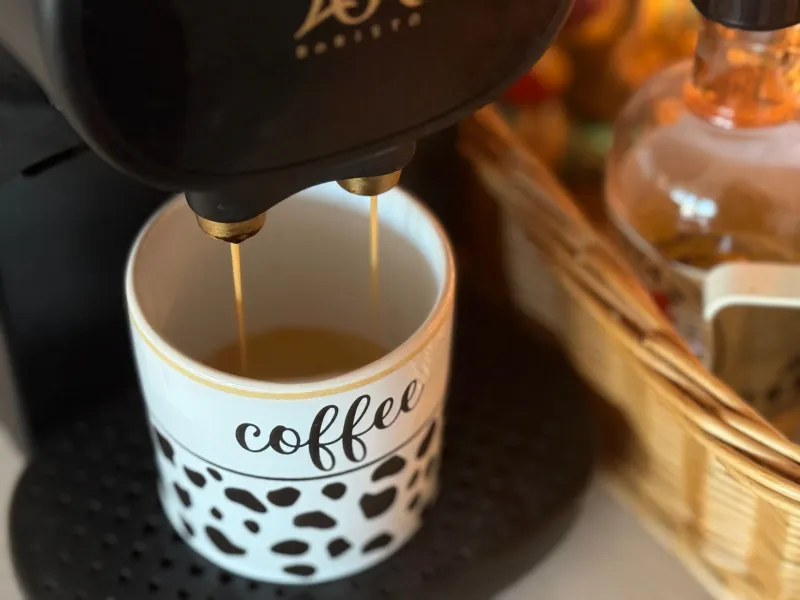
The average American household brews coffee at home roughly 2.5 times per day. That adds up to nearly 900 brewing cycles per year — which means the machine sitting on your countertop is quietly one of the hardest-working appliances in your kitchen. Yet most purchasing decisions still come down to brand recognition, a sleek design, or a retailer's "best seller" badge.
At R10 Review, we believe buying decisions should be grounded in measured performance, not marketing copy. So we assembled 12 coffee makers across four distinct price tiers — budget ($30–$60), mid-range ($80–$150), upper-mid ($160–$250), and premium ($300–$430) — and ran each one through a standardized testing protocol over several weeks. What we found contradicts some of the most common assumptions consumers carry into the appliance aisle.
What We Actually Measured — and Why It Matters
Before diving into results, it's worth explaining why our testing criteria diverge from the spec sheets manufacturers publish. Most product listings emphasize carafe capacity, programmable timers, and the number of brew-strength settings. These are real features, but they tell you almost nothing about the quality of what ends up in your mug.
Our four primary metrics were:
- Brew temperature consistency: The Specialty Coffee Association recommends water temperature between 197°F and 205°F during extraction. We used calibrated probes to measure temperature at the brew head across multiple cycles, noting variance between the first and final ounces dispensed.
- Cycle completion time: Measured from the moment the brew button was pressed to the last drop entering the carafe, using a standardized 8-cup fill.
- Ease of cleaning: Evaluated by two testers independently, scoring descaling access, removable component count, and the presence of hard-to-reach mineral buildup zones.
- Durability indicators: We tracked seal integrity, carafe lid function, and any mechanical inconsistencies observed after 60 simulated brew cycles.
Budget Tier ($30–$60): Surprisingly Capable, With Caveats
The budget category produced the widest performance spread of any tier. Two models — a well-known 12-cup drip machine and a compact 5-cup unit — consistently fell below the SCA temperature threshold, averaging around 185°F at the brew head. At that temperature, coffee tends to taste flat and under-extracted, a common complaint that consumers often misattribute to bean quality or grind size.
However, one budget model delivered an average brew temperature of 198°F across all test cycles, placing it firmly within optimal range. Its cycle time of 7 minutes and 42 seconds for a full 8-cup batch was also competitive. The trade-off? The carafe seal degraded noticeably by cycle 45, and the drip stop mechanism became unreliable. For households that replace appliances every two to three years without much concern, this machine offers genuine value. For anyone expecting multi-year reliability, it represents a calculated risk.
Key takeaway: In the budget tier, brew temperature is not guaranteed. If you're shopping here, prioritize verified temperature data over convenience features.
Mid-Range Tier ($80–$150): The Most Reliable Value Proposition
This price band produced the most consistent performers across all four metrics, which may be the most important finding in this entire evaluation. Three of the four machines tested here maintained brew temperatures within the optimal range across every test cycle, with temperature variance of less than 4°F between first and last ounce — a figure that even some premium models couldn't match.
Cycle times in this tier averaged around 7 minutes for 8 cups, with one standout completing the process in 6 minutes and 18 seconds without sacrificing thermal consistency. Cleaning accessibility was generally strong, with most units featuring removable brew baskets and wide-mouth carafes that accommodate standard bottle brushes.
One model in this range includes a bloom pre-infusion feature — a brief pause that allows grounds to degas before full extraction begins. This is a meaningful functional addition, not just a marketing term, and it produced noticeably more aromatic cups during blind taste assessments conducted by our editorial team.
Key takeaway: The $80–$150 range represents the performance sweet spot for most American households. You are not sacrificing measurable quality by stopping here.
Upper-Mid Tier ($160–$250): Diminishing Returns Begin Here
The upper-mid segment is where marketing and engineering start to diverge. Several machines in this tier feature thermal carafes rather than glass carafes with warming plates — a meaningful upgrade, since glass carafes on warming plates continue cooking coffee after brewing, degrading flavor within 20 to 30 minutes. Thermal carafes preserve temperature without ongoing heat exposure.
That said, brew temperature performance in this tier was not uniformly better than the mid-range. One model priced at $219 averaged 194°F — technically within the SCA range but at the lower end, and inconsistently so. Its companion model at $245 performed more reliably but added 90 seconds to the average brew cycle, a meaningful difference for time-pressured mornings.
Cleaning in this tier became more complex. Several units feature internal water reservoirs and concealed pathways that require monthly descaling with manufacturer-specified solutions. Skipping this maintenance visibly degraded brew temperature within eight weeks of testing.
Key takeaway: If a thermal carafe is your primary upgrade motivation, this tier delivers it. But do not assume higher pricing translates to more consistent extraction.
Premium Tier ($300–$430): Real Capability for a Specific Type of Consumer
The two machines tested in the premium category are not drip coffee makers in the traditional sense. Both feature built-in conical burr grinders, precision temperature control with user-adjustable settings, and bloom pre-infusion with programmable pause durations. One unit connects to a smartphone app for brew profile customization.
Brew temperature consistency in this tier was demonstrably superior — both units maintained temperatures within a 2°F variance window, the tightest range recorded across all 12 machines. For consumers who care deeply about extraction quality and are willing to invest time in calibration, these machines produce measurably better results.
However, cleaning demands are substantial. Grinder burrs require weekly brushing, the brew pathways need monthly descaling, and the water filtration systems require cartridge replacement every 60 days. One tester estimated an average of 12 minutes per week in maintenance time — a figure that will feel perfectly reasonable to a coffee enthusiast and entirely unreasonable to someone who just wants a reliable morning cup.
Key takeaway: Premium machines justify their cost only if you will actually use their advanced features and commit to their maintenance schedules. For casual drinkers, the value proposition is weak.
The Bottom Line
After 12 machines, hundreds of brew cycles, and more calibration checks than we'd care to count, the R10 Review verdict is straightforward: the $80–$150 mid-range tier delivers the best combination of consistent performance, ease of maintenance, and long-term reliability for the majority of American households. Budget machines carry real thermal performance risks. Upper-mid models offer incremental improvements that may not justify the price gap. Premium machines are genuinely capable but demand a level of engagement that casual users rarely sustain.
The most important single variable in coffee maker performance — brew temperature — is almost never listed on the box. Until manufacturers standardize this disclosure, the burden falls on consumers to seek out independent testing data before committing to a purchase. That, in essence, is why we run tests like this one.